
Posting at the “right” time won't rescue a video that loses viewers in its opening seconds. Nor will stuffing the caption with broad hashtags turn a weak idea into a recommendation engine winner. If you want to understand how to increase video views, start with the structure of the content, not the publishing clock.
Short-form platforms distribute videos that help people keep watching. That means the practical work happens before and after publishing: choose a topic with genuine audience demand, make the promise clear immediately, edit for continuous attention, and use analytics to improve the next upload. The creators who grow consistently build a testing system rather than waiting for viral luck.
The Reality of Short-Form Algorithmic Reach
Recommendation systems have one commercial objective: keep viewers engaged on the platform. Your posting time, hashtag count, and follower total can influence discovery, but they don't compensate for weak watch behavior. If people swipe away quickly, the platform has little reason to show the video to a wider audience.
Short-form video now accounts for 58% of all time spent on social media worldwide, and 94.6% of online adults watched online video in the past 30 days, according to Vidico's short-form video statistics. That scale creates opportunity, but it also raises the standard. Viewers have endless alternatives, so your video must earn each additional second.
Watch behavior beats superficial optimization
The most useful signals are watch time, completion behavior, replays, and meaningful interactions. A view count tells you what happened after distribution. Retention data helps explain why distribution expanded or stopped.
A video can receive likes and comments yet fail to travel if viewers abandon it early. Conversely, a modest account can earn broader reach when its content holds attention beyond the initial audience test. This is why a concise opening, an immediate payoff, and clean pacing usually matter more than adding another generic tag.
Practical rule: Treat every swipe as an editing diagnosis. Find the moment that failed to justify the next second, then remove, move, or rewrite it.
Posting time still deserves testing, but it shouldn't become a superstition. Independent reporting cited by Metricool found a case in which reach fell 47.19% while engagement rose 35.61%, indicating that interaction quality and distribution don't always move together. The same report recorded an average TikTok video length of 41 seconds, average viewing of 3.75 seconds, and full viewing of only 4% of videos, all of which underline the cost of a slow opening. These figures appear in Metricool's short-video report.
Use timing as a controlled variable, not your primary growth lever. Publish comparable formats at different audience-active windows, then compare retention and reach rather than assuming a peak hour caused the result. For a platform-specific overview of practical visibility tactics, the guide to Instagram view growth can complement your testing, while this explanation of what goes viral on TikTok helps frame virality as a combination of audience response, format, and context.
Selecting Trend-Aligned Ideas and Engineering Hooks
A polished edit can't save a concept that gives viewers no reason to care. Before filming, make the topic specific enough that the intended viewer recognizes the problem, desire, or curiosity immediately.
Start with a simple demand filter:
- Audience tension: What recurring question, mistake, objection, or aspiration does your audience already discuss?
- Niche connection: Which broad trend can you reinterpret through your expertise instead of copying word for word?
- Visible payoff: Can the viewer understand what they'll gain from staying?
- Repeatable format: Can you produce several variations without exhausting the idea?
- Business relevance: Does the topic support awareness, trust, product interest, or a useful next action?
A trend is only valuable when it gives your message a native delivery system. A bakery might adapt a reaction format to compare decorating choices. A software consultant could use a popular audio structure to expose a workflow mistake. The trend supplies familiarity, while the niche-specific insight supplies a reason to watch.
Build the opening around a promise
The first three to six seconds should answer an unspoken question: why should I stay? Open with the result, the surprising contrast, the visible problem, or a direct challenge. Avoid greetings, logo animations, and explanations of what you're about to explain.
Strong hook structures include:
- The mistake hook: “Your product demo loses viewers before the useful part.”
- The contrast hook: Show the failed outcome first, then reveal the change.
- The specific question: “Why do viewers leave this type of tutorial?”
- The proof-first hook: Display the finished result before describing the process.
- The selection hook: Present two options and ask viewers to choose before revealing your recommendation.
Pair the spoken line with an immediate visual event. If the narration says “this edit makes the tutorial easier to follow,” show the edit before explaining it. On-screen text should reinforce the promise, not repeat every spoken word in a dense block.
Validate the idea before production
Search platform suggestions, inspect recurring questions in comments, and study formats appearing repeatedly in your niche. You're not looking for permission to copy. You're checking whether the audience already understands the topic and whether the format has enough momentum to support your angle.
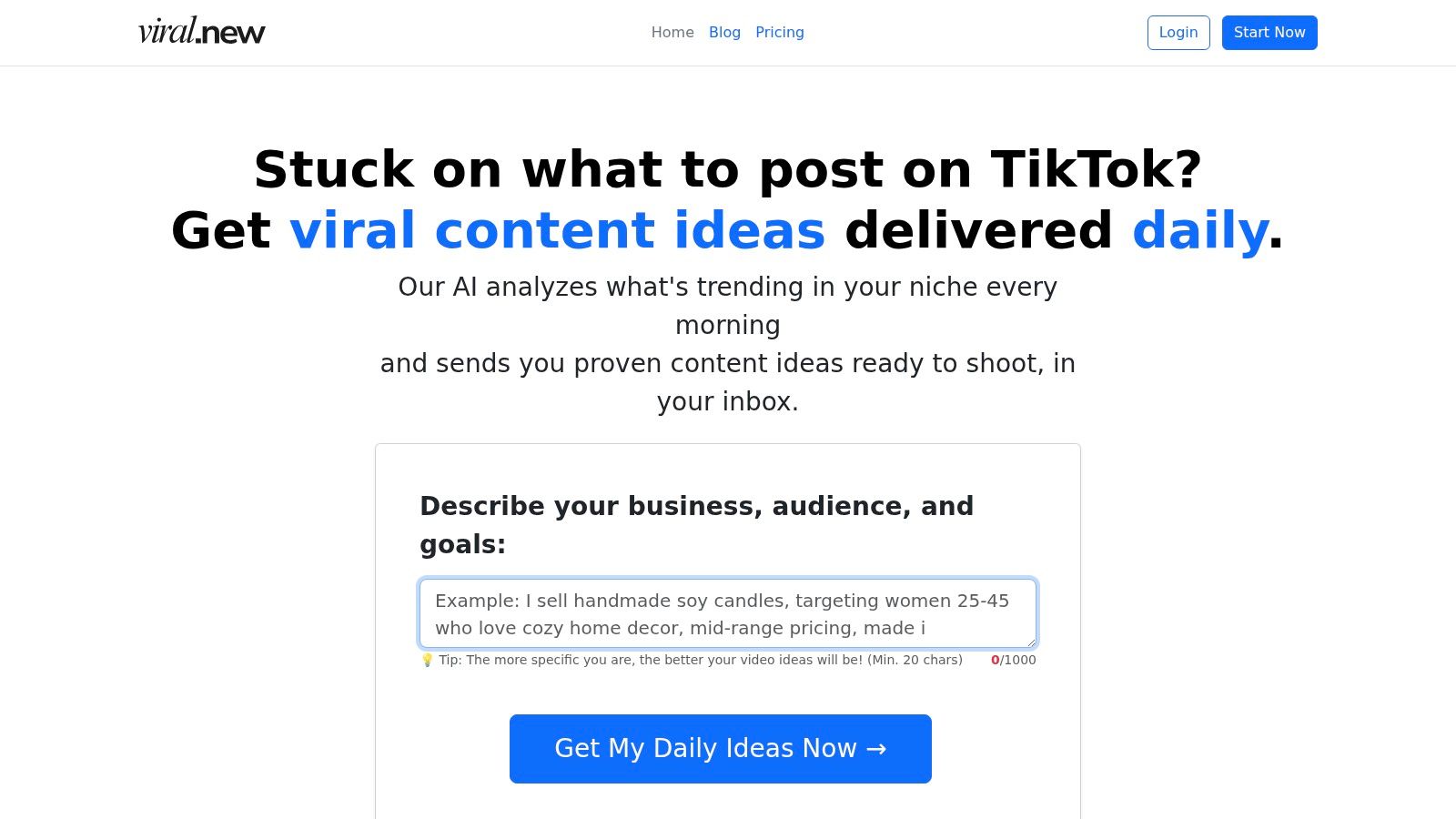
Viral.new is one option for turning niche and business context into trend-aligned video prompts. It delivers ready-to-shoot ideas based on current TikTok activity, audience intent, seasonal momentum, and sounds, which can reduce the time between research and filming. For a deeper process for evaluating trends, use this guide to making trend analysis.
Before recording, write three alternative hooks for the same idea. Keep the body mostly stable, then test the opening. This isolates the variable most likely to change early retention and prevents you from confusing a weak concept with a weak introduction.
A short visual example can make the hook mechanics easier to apply:
Production and Editing Techniques for Maximum Watch Time
Retention editing isn't about cutting every pause until the video feels frantic. It's about removing moments that don't advance the promise and replacing predictable visual patterns before attention fades.
Film with the edit in mind. Record the main explanation in short thought groups, capture close-ups of the result, and collect b-roll that demonstrates each important point. This gives you options when the talking-head section starts to feel static.
Use a deliberate visual rhythm
A useful short-form sequence often follows this pattern:
- Open with the outcome or problem.
- Add a visual change when the idea changes.
- Demonstrate the claim instead of describing it repeatedly.
- Use a reset, such as a crop, angle, object movement, screen recording, or b-roll insert, when the frame becomes predictable.
- End with a completed thought or a reason to continue into the next video.
The reset doesn't need to be a flashy transition. A new shot of the hands, a zoom into the relevant interface, or a text change can re-establish attention without distracting from the message. Keep movement purposeful. Random effects may create stimulation, but they also make the content harder to understand.
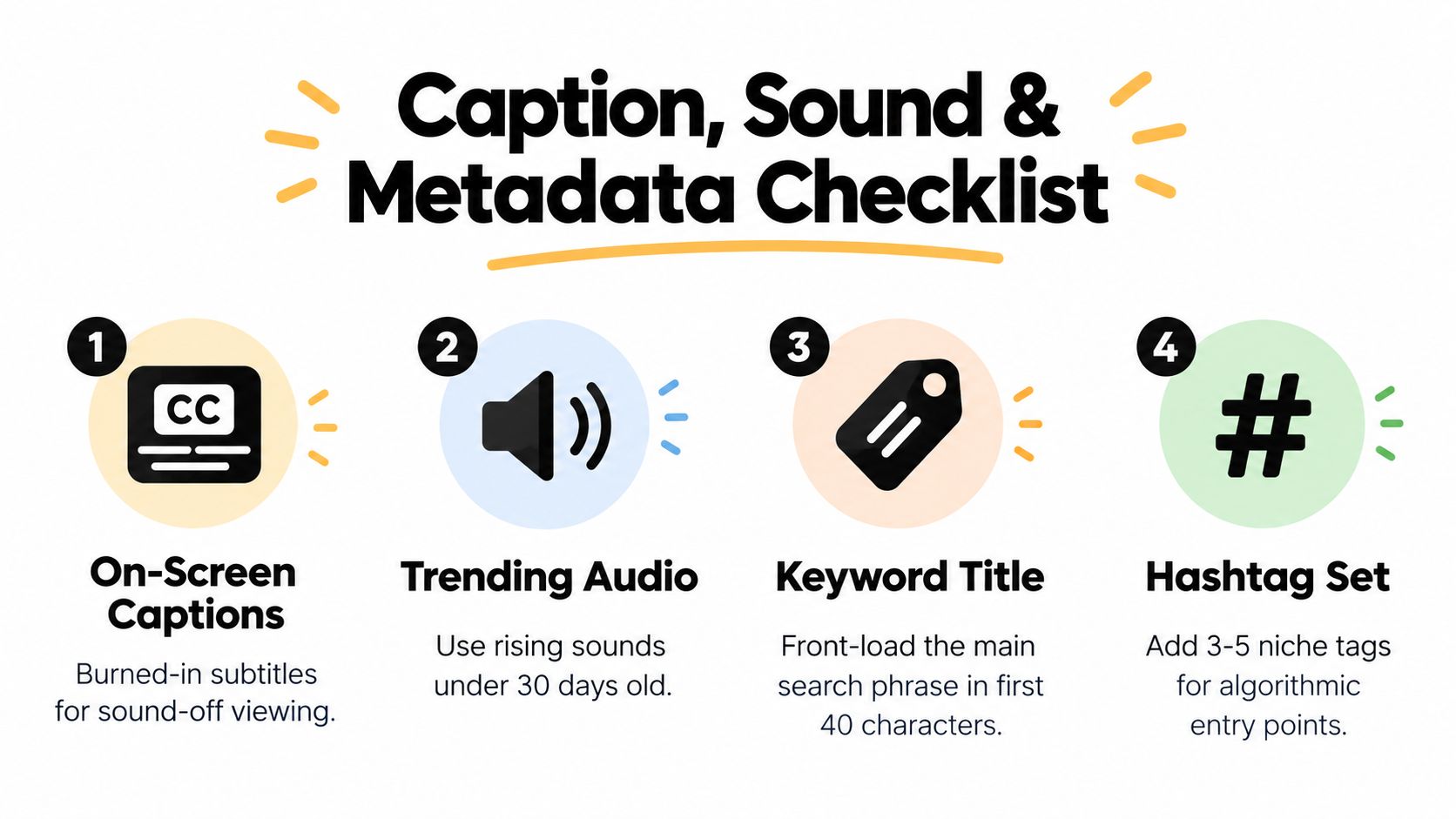
Captions deserve special treatment because many viewers encounter video without relying on audio. A large short-form benchmark found that videos with captions and dynamic text overlays held viewers 18.3% longer than videos without overlays, as reported by Amra & Elma's short-form virality statistics. Use readable text to clarify the hook, emphasize the key phrase, and guide the eye toward the action on screen.
Choose length according to the job
Length isn't a universal target. The right duration depends on whether you're optimizing for efficient engagement or giving a strong story enough room to accumulate views.
A 2026 benchmark based on Socialinsider analysis of more than 6 million TikTok videos found that 15-to-30-second videos achieved the highest engagement rate at 6.00%, while 120-to-180-second videos produced the highest median views at 11,136. The findings are summarized in Fastlane's short-form video benchmarks. Short clips can work well for one clear insight, while longer clips need stronger narrative progression and more frequent proof points.
Don't stretch a concise idea to fill a longer template. Conversely, don't compress a tutorial so aggressively that viewers can't follow the transformation. Cut the draft where the promise is fulfilled, then test a longer version only when additional context creates real value.
Before export, check that the first frame works without context, every cut advances the idea, captions remain inside safe areas, and the ending doesn't dissolve into an unnecessary outro. A clean loop can encourage a replay, but only when the transition feels natural rather than engineered.
Optimizing Captions, Sounds, and Metadata
Your footage carries the main message, while captions, audio, and metadata help viewers and platforms interpret it. Treat these elements as a coordinated layer, not separate tasks completed after editing.
Start with on-screen text. Put the core promise in the opening frame, use short phrases rather than paragraphs, and change the wording when the video changes direction. Dynamic text should direct attention to the evidence or payoff. It shouldn't compete with the speaker, product, or demonstration.
Make every discovery layer agree
Use one central phrase across the spoken introduction, on-screen text, caption, and title where the platform supports titles. Consistency improves clarity for viewers searching by problem or topic, while excessive repetition makes the post look mechanical.
A practical metadata stack looks like this:
- Primary phrase: Describe the actual problem or outcome in plain language.
- Supporting context: Add the audience, use case, or format.
- Specific hashtags: Choose tags connected to the niche and subject, not a long list of generic reach terms.
- Action prompt: Ask for a useful response, such as a choice, experience, or follow-up question.
Audio should support the message. A rising sound can give a video cultural context, but it won't repair unclear narration or poor pacing. Keep background audio low enough that spoken words and important sound effects remain easy to understand. If the content depends on a demonstration, the original sound may be more valuable than a fashionable track.
Write the caption for the viewer who has already watched the opening but needs a reason to save, share, or comment. Add the missing context, state the practical takeaway, or invite a precise opinion. “What do you think?” creates work for the audience. “Which of these two openings would make you stop?” gives them an easy response.
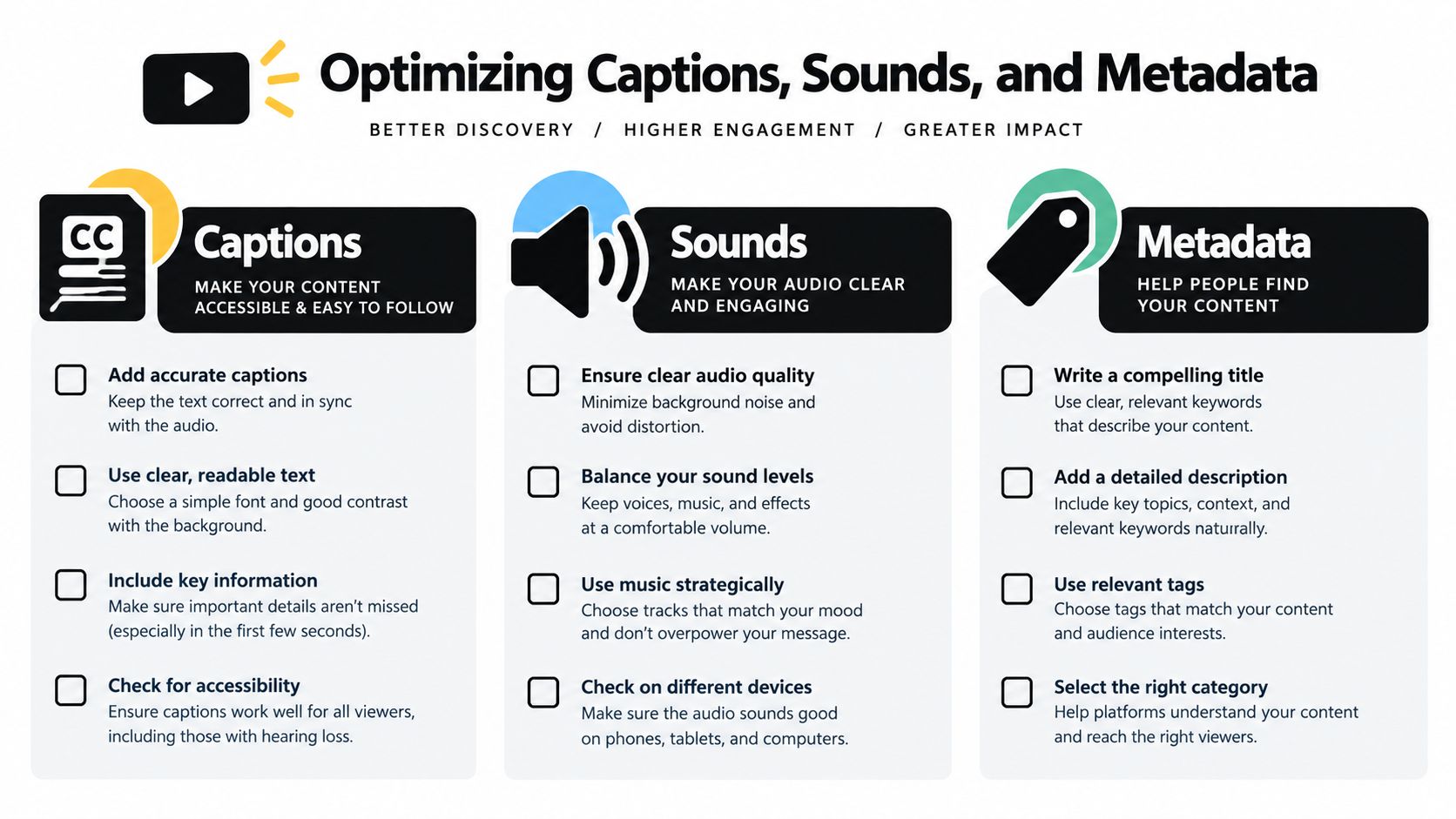
Use metadata to reduce ambiguity, not to promise something the video doesn't deliver. The strongest keyword can still hurt performance if the opening fails to match it. For practical guidance on writing audience-focused post copy, see this resource on writing engaging captions.
Distribution Tactics and Engagement Triggers
Publishing creates the opportunity for discovery, but distribution determines how many relevant entry points your video receives. Repurpose the core idea across platforms while adapting the opening, aspect ratio, caption style, and call to action to each audience.
A TikTok-native version may invite a stitch or comment response. An Instagram version may emphasize saves and shares. A YouTube Short can point viewers toward a related longer explanation. Cross-posting works when you treat each platform as a different viewing environment, not when you upload an identical file everywhere and forget it.
Turn participation into a content engine
Duets and stitches work best when your contribution adds a clear point of view. Respond to a claim, demonstrate the alternative, complete an unfinished process, or explain the context the original clip leaves out. Don't attach your brand to a trend that has no connection to your expertise. Forced participation can attract attention from people who have no reason to stay.
Comment prompts should create a small decision. Ask viewers to choose between two approaches, identify the step they struggle with, or submit a question for a response video. Then monitor the comments and use strong questions as briefs for future posts. Community management isn't only about answering politely. It's a research loop that reveals language, objections, and content gaps.
Audience trigger: Ask for information that improves the next video, then use the answer publicly. Viewers participate more naturally when they can see how their response shapes the content.
For a broader perspective on connecting visibility with recognizable messaging, review these insights on brand awareness. The same principle applies to short-form distribution: every interaction should reinforce what your account is known for.
During the initial response window, reply to useful comments, pin the clearest question, and correct confusion before it spreads. Avoid manufactured controversy or engagement bait that creates comments without satisfaction. The goal is a conversation that extends the video's useful life and gives the platform more evidence about the audience it should reach.
Create a distribution checklist for each upload:
- Native adaptation: Rewrite the opening for the destination platform.
- Conversation prompt: Ask one concrete question tied to the video.
- Response plan: Identify which comments could become follow-up content.
- Repurposing route: Save the clean master, captions, b-roll, and alternate hooks for future edits.
Building a Reproducible Analytics and Testing Workflow
Growth becomes manageable when every upload produces a decision. Don't judge a video only by its total views. Record the concept, opening, length, format, audio choice, posting context, retention pattern, and audience response so you can compare like with like.
A daily loop can remain simple:
- Collect: Save promising questions, comments, trends, and competitor formats.
- Choose: Select one idea that fits your content pillar and business objective.
- Script: Write the promise, proof, progression, and response prompt.
- Film: Capture multiple hook variations and supporting shots.
- Edit: Remove delays, add visual resets, and review captions on a mobile screen.
- Publish and log: Note the version, time, format, and early performance signals.
Read retention as a timeline
Look for the first sharp decline, not just the final average. A drop immediately after the opening may indicate a mismatch between the promise and the delivery. A decline during explanation often means the visual has become static, the point is too abstract, or the viewer has already received the answer.
Test one meaningful variable at a time. Compare two hooks for the same concept, two lengths for the same narrative, or a demonstration-led version against a speaker-led version. If you change the idea, audio, caption, length, and opening together, you won't know which decision affected the result.
A weekly review should produce a short list of actions:
- Keep: Formats and topics that repeatedly hold attention.
- Change: Openings, transitions, or explanations linked to drop-offs.
- Stop: Tactics that add production time without improving viewer behavior.
- Test: One new hypothesis for the next publishing cycle.
- Document: The exact edit, hook, and audience response so the result is reusable.
The operating principle: A successful video is not a trophy. It's a controlled experiment that tells you what to make, how to open it, and where to cut next time.
Keep a library of winning hooks, proven b-roll sequences, caption templates, and comment prompts. Your team can then create variations faster without repeating the same video. Review the library regularly, because audience expectations change and a format can lose its freshness.
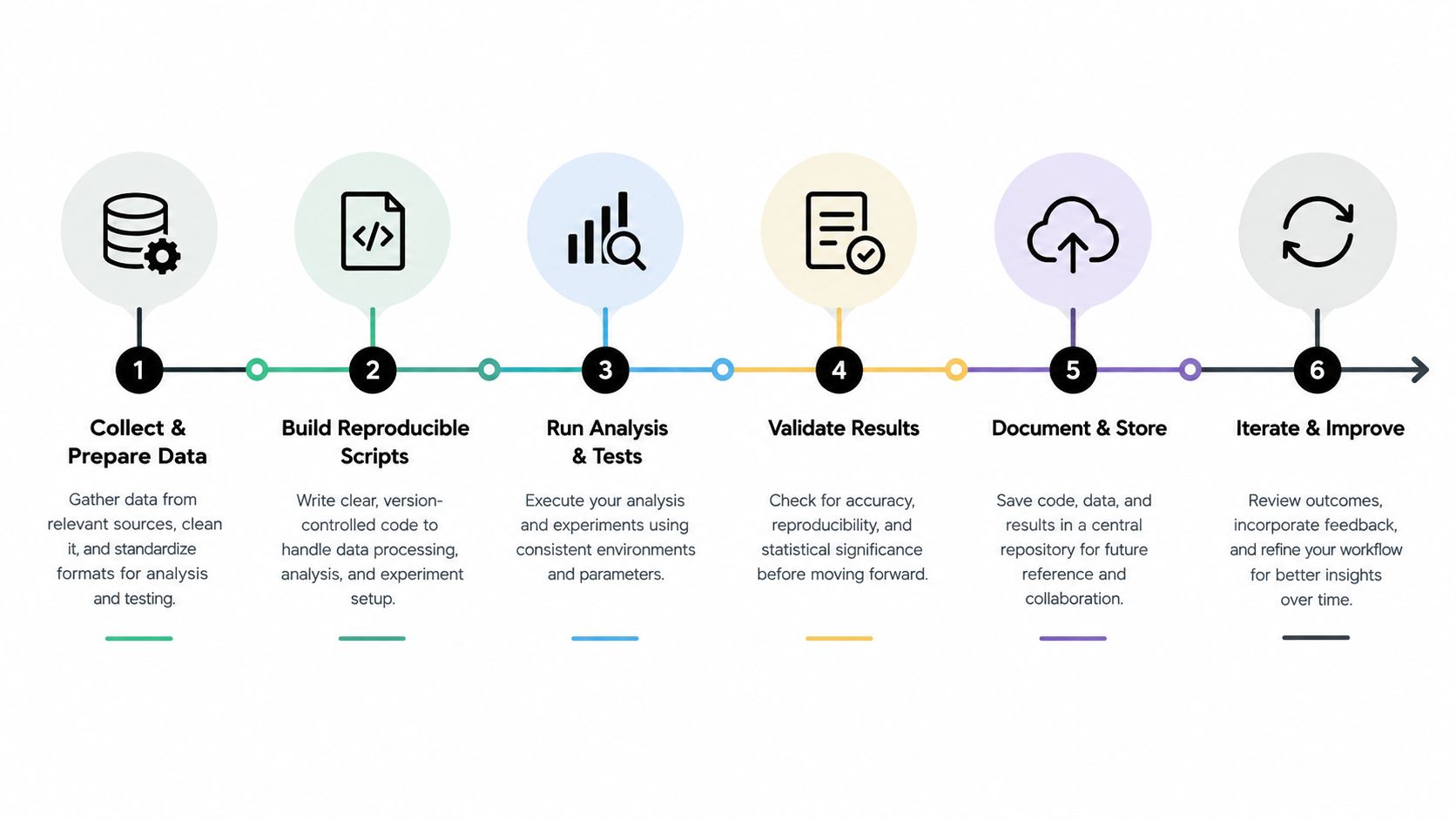
The creators who increase views reliably don't guess harder. They identify a promising idea, engineer the opening, edit for sustained attention, distribute it thoughtfully, and use the evidence to make the next version more precise.
Viral.new delivers fresh, trend-aligned TikTok prompts to your inbox every morning, matched to your niche, offer, audience intent, and current sounds. Visit Viral.new to turn trend research into ready-to-shoot concepts and build a more consistent testing pipeline.
